Know About The Top 5 Best Pure Ghee Available in The Market | Nutrisoul

In every Indian kitchen Ghee is a common ingredient that is used in almost every dish to enhance its flavor and aroma. Ghee is a healthier substitute for other forms of fat and is a great source of healthy fats. Pure Ghee is used in multiple ways. It is used to deep fry fritters, for garnishing any dish, and it is also used in both sweet and savory dishes. Not only in food it is also used in preparing medicinal potions that can boost our immunity. Nutritionists and dieticians also recommend consuming ghee in moderation to boost heart and brain functioning. There are several A2 Cow pure ghee available in the market. Here is a list of the top 5 best pure ghee that one can refer to before selecting any particular brand.
- Gir Organic A2 Cow Ghee
Using the Vedic Bilona process, Gir Organic A2 best pure ghee is produced from Gir cows' A2 milk that has been fed only grass. This organic food is safe for lactose-intolerant persons, it is easy to digest, and gluten-free.
- Vedic A2 Cow Ghee
This hand-churned ghee is produced from the A2 milk of Gir cows. This ghee contains immunity-boosting properties. This ghee is enriched with nutritive fatty acids. This pure ghee makes every food in your home satisfying and tasty because of its beautiful aroma and flavor.
- Himalayan Native A2 Ghee
This premium A2 ghee is made by Vedic old bilona process. It has a unique granular texture. This cow Ghee is exceptionally nourishing and has a rich, authentic flavor and aroma. It contains no preservatives or artificial colors.
- NutriSoul Premium A2 Cow Ghee
This ghee is a power-packed superfood. This best pure ghee has been crafted from the A2 milk of high-breed Gir and Sahiwal cows. It is rich in vitamins A and E. it is effective in reducing joint pain and improving eyesight. It comes in high-quality glass packaging.
- Kapiva A2 Ghee
This pure ghee is produced by the Bilona method or hand-churned method. It is rich in omega 3 and omega 6 fatty acids. It can be easily digested and is enriched with calcium, iron, and fat-soluble vitamins A, D, and E.
So, next time you went online to shop for pure ghee do refer to this list of the top 5 best pure ghee brands
Which ghee is healthy? | Nutrisoul

Ghee is synonymous with Indian cuisine and is rightly known as a superfood. While everyone is scrambling to get their hands on a tub of ghee, read ahead to find out which variant is actually good for you.
Ghee is divided into 2 types- A1 and A2. They are made from A1 and A2 milk. A1 milk is sourced from cows of western breeds like Jersey, Brown Swiss, and Holstein, etc, while A2 is from Indian breeds like Gir, Red Sindhi, Umblachery, etc.
Although it doesn’t seem much divergence from the surface, both couldn’t be any more different. While western breeds produce larger quantities, it consists of a chemical compound called beta-casomorphin or BCM-7. BCM-7 is related to the opium family and has been found to have negative effects in animals like inducing mucus release in rats’ intestines. A1 allegedly caused neurocognitive disorders and may even lead to autism on consumption.
Whereas A2 milk has higher overall nutritive value and provides better immunity.
Ghee is obtained from cow milk, on low heat until the milk solids separate. They are either strained or skimmed off.
However, the traditional method for making it is referred to as the Bilona process which is much more elaborate. It requires a more manual laborious process which makes it more sought-after yet pricey than its counterparts
Ghee is one of the richest sources of conjugated linoleic acid containing various medicinal benefits. Rich in antioxidants, omega-3 and omega-9 essential fatty acids, and Vital vitamins like A, D, E, and K. In Ayurveda, ghee is used for its anti-inflammatory property (because of the presence of butyric acid, a short chained fatty acid) and supports gut health. Slows down and prevents bone weakening in women after menopause, helps fight insomnia and calms down anxiety, and reduces the risk of mental health problems like ADHD.
A2 ghee has a higher smoke point and can be incorporated into any cooking form without releasing toxic fumes. Additionally, it makes food taste better so grab your jar of Nutrisoul A2 cow ghee today.
Best Ghee Brands in India For Daily Use | Nutrisoul

There are many brands of ghee available in India that are suitable for daily use. They include the following:
Amul: Amul is one of the most trusted and widely recognized brands in India. Their ghee is made from pure cow milk and has a rich, creamy flavor.
Nutrisoul: Nutrisoul makes one of the best A2 cow ghee in India. Their products are made with pure milk and have the best taste, quality and freshness. They make different types of cow ghee like Arjuna cow ghee, turmeric ghee, garlic and herb ghee. If you are looking for healthy and natural foods that taste great too then Nutrisoul is your one stop shop!
Mother Dairy: Mother Dairy is a popular brand that offers high-quality dairy products, including ghee. Their ghee is made from pure cow milk and has a rich aroma and flavor.
Aashirvaad Svasti: Aashirvaad Svasti is a brand that is known for its high-quality dairy products. Their ghee is made from pure cow milk and has a rich, natural flavor.
Nandini: Nandini is a well-known brand in South India that offers a wide range of dairy products, including ghee. Their ghee is made from pure cow milk and has a rich, creamy texture.
It is important to note that while these are some of the most popular brands, there are many other local and regional brands that also offer high-quality ghee. It is always a good idea to check the ingredients and nutritional information before buying any brand of ghee to ensure that it meets your dietary needs and preferences.
How to make veg biriyani with premium A2 cow ghee | Nutrisoul

Veg biryani is a delicious rice dish that is typically made with a combination of vegetables and spices. Here's how you can make veg biryani with premium A2 cow ghee:
Ingredients:
2 cups basmati rice
2 cups mixed vegetables (such as carrots, peas, capsicums, french beans and potatoes)
1 onion, sliced
1/2 cup premium A2 cow ghee
2 teaspoons cumin seeds
1 teaspoon fennel seeds
1 cinnamon stick
4 cardamom pods
4 cloves
1 bay leaf
1 teaspoon turmeric powder
2 teaspoons biryani masala
2 cups water
Salt to taste
Instructions:
At first wash the rice and soak it in water for 30 minutes.
Heat a large pan over medium heat and add the A2 cow ghee. Once the ghee has melted, add the cumin seeds, fennel seeds, cinnamon stick, cardamom pods, cloves, and bay leaf. Fry for a few seconds until a good aroma comes out.
Add the sliced onion and fry it until it turns golden brown.
Add the mixed vegetables and fry for a few minutes until they are partially cooked.
Add the turmeric powder, biryani masala, and salt. Mix well and fry for some minutes keeping it uncovered.
Now, drain the basmati rice and add it to the cooking pan. Mix well so that the rice is coated with the spices and vegetables.
Add 2 cups of water and wait until the first boil comes.
Reduce the heat to low medium and cover the pan with a lid. Let the biryani cook for about 20 minutes or until the rice is cooked and the water has evaporated.
Once the biryani is cooked, remove the lid and let it rest for 5-10 minutes.
Serve hot with raita or any other side dish of your choice.
Using premium A2 cow ghee in this recipe will add a rich, nutty flavor to the biryani. It will also enhance the aroma and texture of the rice, making it even more delicious.
Everything you need to know about A2 cow ghee made in India | Nutrisoul

A2 cow ghee made in India is a type of clarified butter that is derived from the milk of indigenous Indian cow breeds. Here's everything you need to know about A2 cow ghee:
A2 Cow Milk: A2 cow ghee is made from the milk of indigenous Indian cow breeds like Gir, Sahiwal, Rathi, Tharparkar, and Red Sindhi. These cows naturally produce milk that contains only the A2 beta-casein protein.
A2 Beta-Casein: The primary distinction between A2 cow milk and regular milk is the presence of A2 beta-casein protein. This protein is believed to be easier to digest and is associated with various health benefits. In contrast, the milk from crossbred or hybrid cows contains A1 beta-casein protein.
Traditional Production: A2 cow ghee is typically produced using traditional methods. The process involves simmering the cow milk, clarifying it by removing impurities, and separating the milk solids from the pure butterfat. This slow and careful production method is believed to retain the nutritional properties and aroma of the ghee.
Purity and Quality: A2 cow ghee is often regarded for its purity and quality. It is usually prepared without additives, preservatives, or artificial flavors. The ghee is typically golden yellow in color with a distinct aroma and rich flavor.
Nutritional Benefits: A2 cow ghee is known to be rich in essential fatty acids, vitamins (such as A, D, E, and K), and antioxidants. It is also a source of conjugated linoleic acid (CLA), which is associated with various health benefits, including anti-inflammatory and immune-boosting properties.
Ayurvedic Importance: In Ayurveda, the traditional Indian system of medicine, A2 cow ghee is highly valued for its therapeutic properties. It is believed to promote digestion, support brain health, enhance immunity, nourish the body tissues, and improve overall well-being.
Culinary Usage: A2 cow ghee is widely used in Indian cuisine for cooking, frying, and baking. Cooking at high temperatures is possible because of its high smoke point. It is also used in Ayurvedic preparations, sweets, and various traditional dishes.
Organic and Ethical Farming: A2 cow ghee manufacturers often emphasize organic and ethical farming practices. The cows are typically grass-fed, and the milk is obtained without the use of hormones or antibiotics. This focus on sustainability and animal welfare contributes to the overall quality and authenticity of the ghee.
When purchasing A2 cow ghee, it is recommended to choose reputable brands that provide transparency regarding the source of milk, production methods, and quality certifications. It's important to note that individual experiences and sensitivities may vary, so it's advisable to consult with a healthcare professional or nutritionist if you have specific dietary concerns or health conditions.
Is A2 ghee worth buying? | Nutrisoul

A2 ghee refers to ghee made from the milk of cows that produce the A2 beta-casein protein. The worthiness of buying A2 ghee depends on several factors and personal preferences. Here are some points to consider:
Digestive Sensitivity: Some individuals who experience digestive issues with regular cow's milk may find A2 ghee easier to digest. This is because A2 milk is believed to have a different protein structure that some people may tolerate better.
Nutritional Composition: A2 ghee is typically considered to be nutritionally similar to regular ghee. It contains healthy fats, vitamins, and minerals. However, the specific nutritional content can vary based on the quality of the milk and the production process.
Taste and Flavor: A2 ghee is known for its rich, creamy, and distinct flavor. If you enjoy the taste of ghee and appreciate its flavor in your cooking, A2 ghee may be worth trying.
Source and Quality: The quality of A2 ghee depends on the source of the milk and the manufacturing process. It is important to choose a reputable brand that ensures the use of high-quality milk from A2 cows and follows proper production standards.
Price Considerations: A2 ghee is often priced higher than regular ghee due to factors such as the cost of sourcing A2 milk and the demand for specialty products. Consider your budget and evaluate whether the perceived benefits justify the price difference for you.
Ultimately, the decision to purchase A2 ghee depends on your personal preferences, dietary needs, and budget. It is recommended to try small quantities first and assess how it suits your taste, digestion, and overall satisfaction before making a larger investment.
A2 Cow Ghee and Lactose Intolerance: Is it Safe to Consume? | Nutrisoul

When it comes to A2 cow ghee, lactose intolerance may not be a concern. In this blog post, we will explore whether A2 cow ghee is safe to consume for individuals with lactose intolerance.
Lactose Content in A2 Cow Ghee: The process of making ghee involves separating the milk solids, including lactose, from the butterfat. A2 cow ghee is primarily composed of pure butterfat, and the lactose content is significantly reduced or eliminated during the production process. As a result, A2 cow ghee contains minimal to no lactose, making it potentially safe for individuals with lactose intolerance.
Individual Sensitivity: While A2 cow ghee is low in lactose, it's important to note that lactose intolerance can vary from person to person. Some individuals may have a higher sensitivity to lactose and may experience symptoms even with small amounts of lactose. It is advisable for those with lactose intolerance to test their tolerance by starting with small amounts of A2 cow ghee and monitoring their body's response.
Lactose Intolerance Symptoms: Lactose intolerance symptoms typically include bloating, gas, stomach cramps, and diarrhea after consuming lactose-containing foods. However, because A2 cow ghee has minimal lactose, it may be better tolerated by individuals with lactose intolerance compared to other dairy products.
Clarified Butter vs. Ghee: It's important to distinguish between clarified butter and ghee. Clarified butter is produced by removing the milk solids from melted butter, resulting in a product with lower lactose content. However, ghee goes a step further by simmering the clarified butter, allowing the milk solids to brown and separate. This additional step eliminates even more lactose, making ghee potentially safer for individuals with lactose intolerance.
Consultation with Healthcare Professional: If you have lactose intolerance and are considering incorporating A2 cow ghee into your diet, it's advisable to consult with a healthcare professional or a registered dietitian. They can provide personalized advice based on your specific condition and tolerance levels.
Remember, A2 cow ghee is not suitable for individuals with a milk allergy, as it still contains traces of milk proteins. If you have a milk allergy, it's best to avoid A2 cow ghee altogether.
In conclusion, due to the minimal to no lactose content in A2 cow ghee, it may be safe for individuals with lactose intolerance to consume. However, individual sensitivity can vary, so it's essential to listen to your body and start with small amounts to assess your tolerance. Consulting with a healthcare professional is recommended to ensure it aligns with your specific dietary needs and health conditions.
A2 Cow Ghee and Weight Management: Fact or Fiction? | Nutrisoul
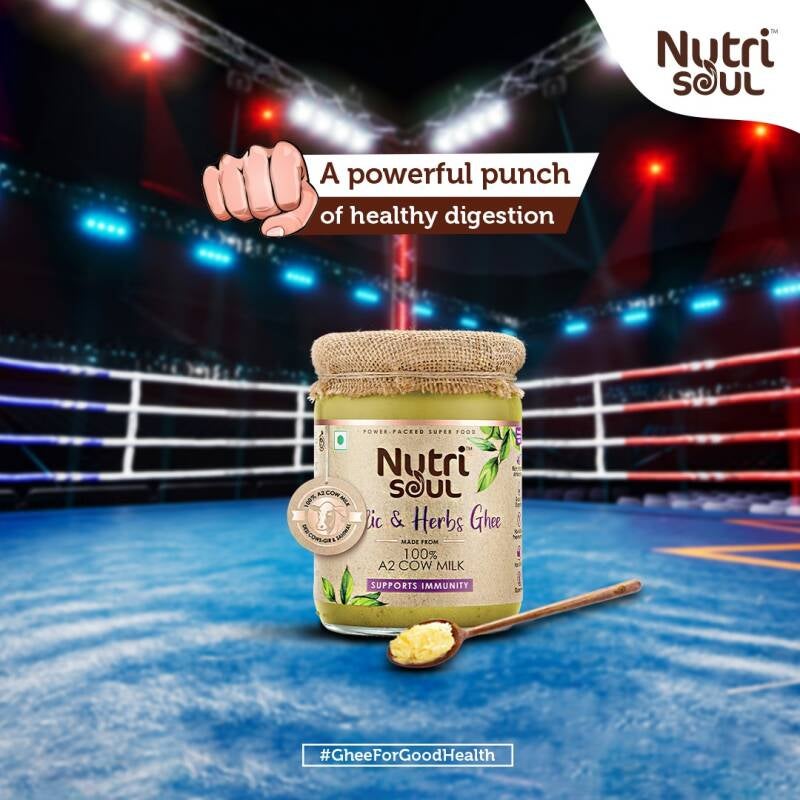
A2 cow ghee, derived from the milk of specific cow breeds, has gained popularity for its purported health benefits. One claim often associated with A2 cow ghee is its potential role in weight management. In this article, we will examine the relationship between A2 cow ghee and weight management, exploring the facts and dispelling any misconceptions.
Caloric Content:
A2 cow ghee, like any other form of ghee or fat, is a calorie-dense food. It contains approximately 9 calories per gram, which is higher than the calorie content of protein and carbohydrates. Therefore, it is important to consume A2 cow ghee in moderation and consider its caloric value as part of an overall balanced diet.
Nutritional Composition:
A2 cow ghee is primarily composed of saturated fats, which are often associated with weight gain and an increased risk of cardiovascular disease when consumed in excessive amounts. A2 cow ghee contains a higher proportion of short-chain and medium-chain fatty acids compared to other sources of saturated fats. These fatty acids are believed to be metabolized differently in the body and may have potential health benefits.
Appetite and Satiety:
One hypothesis regarding the impact of A2 cow ghee on weight management relates to its potential effect on appetite and satiety. Some proponents suggest that the rich flavor and aroma of A2 cow ghee can help satisfy cravings and promote a feeling of fullness, reducing the tendency to overeat. However, more scientific studies are needed to validate these claims and determine the specific mechanisms involved.
Individual Variations and Overall Diet:
Weight management is a complex process influenced by various factors, including genetics, lifestyle, overall dietary patterns, and physical activity levels. A2 cow ghee alone cannot guarantee weight loss or weight management. It is important to focus on a holistic approach that includes a well-balanced diet, portion control, regular physical activity, and overall lifestyle habits.
Moderation and Balance:
While A2 cow ghee may be a part of a healthy diet, it should be consumed in moderation, considering its caloric density and saturated fat content. Balancing calorie intake, incorporating a variety of nutrient-dense foods, and considering the overall dietary pattern are key for weight management.
Conclusion:
The relationship between A2 cow ghee and weight management is a complex topic. While A2 cow ghee can be included as part of a balanced diet, it is not a magic solution for weight loss or management on its own. The key to weight management lies in a comprehensive approach that includes overall dietary patterns, portion control, physical activity, and healthy lifestyle habits. As with any dietary decision, it is important to consult with a healthcare professional or registered dietitian to determine what works best for your individual needs and goals.
Create Your Own Website With Webador